Introduction
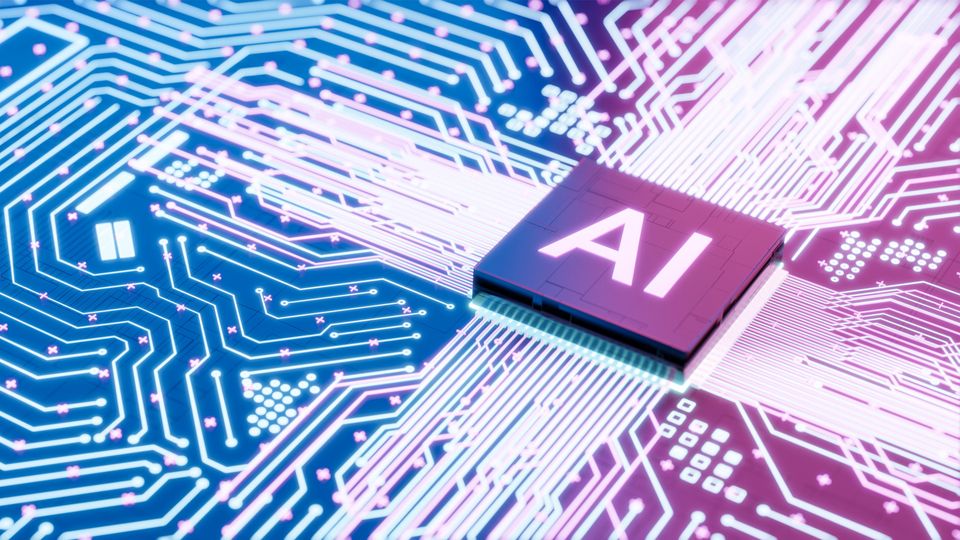
One of the biggest changes to the digital landscape towards the end of 2022 was the emergence of AI generated images, graphics, and tools. While this development is new, exciting, and seems to be moving the potential of digital marketing further, we investigate both sides of the latest trend of AI generated images and AI generated content.
Background
Digital art isn’t necessarily a recent development in the digital marketing space. Designers and artists have been creating designs using technology since the 1950s and 1960s. This first stage of digital art would include shapes and simple patterns which were created through the use of algorithms and early software.
Moving into the 1970s and 1980s, digital art was mainly used to assist with CAD (computer-aided design). This shift encapsulated the development made with the different software and programmes which were used in these two decades to evolve, manipulate, and design 3D shapes, while also leading to a more diverse form of art. One of the earliest forms of AI art generating software was AARON – a programme created by Harold Cohen in 1978. This program acted as the catalyst for other AI image generation tools moving forward.
Since the turn of the century, graphics have continued to evolve, leading to further advancements with the styles and creations made. Popular tools such as ‘DALL-E 2’ and ‘Lensa’ have mainstreamed the use of AI generation for a global audience, leading to software being able to learn faster and from a greater sample size, resulting in more polished and refined artwork.
What can AI REALLY do?
The evolution of different AI tools has reached a position in the digital marketing environment where businesses are using this method to design and create content for their campaigns. Businesses are able to save time by automatically generating content through the use of prompts with these ever-evolving intelligence platforms.
As we move into the future, the technology behind these platforms will continue to evolve and develop into more powerful and refined versions of themselves, increasing in their usefulness for business. Tools such as ChatGPT have ignited the possibilities of artificial intelligence becoming a problem-solving option for anyone with an OpenAI account.
ChatGPT was established as a safe AI tool to provide answers, strategy and advice for all questions posed towards it. The best part of the tool? It doesn’t consider negative or aggressive suggestions in the submission bar. As a result, the ChatGPT software is unable to provide advice which could be used for malicious intent, helping to assist the positive image for AI which developers are keen to create.
But it isn’t all positive for the new mode of content creation…
The counter argument:
When supplying these AI companies with information, it is vital to understand what they state the images will be used for. The safety of creating content with these companies is certainly something which requires questioning as the storage and use of an individual’s personal images must be secure and used for only the purposes which are advertised to the user.
This is where the downside to AI design as there is still so much which isn’t known about this side, along with the limitations and public perception to these digitally generated images. The creative process of a designer or marketeer is something which the AI simply doesn’t replicate in the same way. This is picked up on by consumers, which may impact the consumer behaviour habits of your market.
Working together
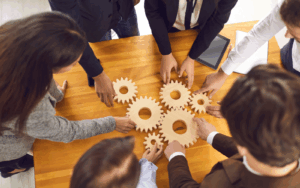
While the ever-developing technology of artificial intelligence may appear to be the “shiny new thing” for businesses to focus on, it will not be able to provide value independently. It may appear straightforward to run every suggestion and idea through an AI service, yet the advice and experience which your employees and colleagues hold can be more important to listen to.
The best marketeers in 2023 will be the ones which can combine their expertise and hard work with the artificial intelligence edge which is evolving and changing every day. The retention of the human approach of marketing is fundamental to any business’ success this year as understanding YOUR audience is something which AI just can’t do.
Creating plans, structures and ideas is one thing, but adapting the results for your specific business is something which only people who are connected to your business can do. AI can generate ideas, but we are the ones which create the polished article, drawing on personal experience.
Leveraging the usefulness and advantages of artificial intelligence can help propel your marketing to the next level but trusting your own instincts alongside the process is what will guarantee it.
Conclusion
While the advancements of AI designs are incredibly exciting, it is also important to remain cautious when choosing how to implement this into your business. For the current moment, the ability and creativity of employees remains superior, showcasing the importance of providing opportunities for digital marketeers to provide the best quality work for your business.
Combining the human element of marketing with the developing technology around us will lead to success in 2023, but the balance of both is what will separate the best from the rest.
If you are looking for bespoke, high quality digital marketing solutions for your business, MiStone can help.
Get in touch with us today for a free consultation for your business’ needs.